
Why Does Bread Go Stale? The Science Explained
To maintain optimal freshness in bread, it is essential to implement effective storage techniques. Utilizing airtight containers or resealable bags can significantly reduce exposure to air, which is a primary factor in staling. Additionally, storing bread at room temperature instead of in the refrigerator can help preserve its texture and flavor. Understanding these methods is crucial for those seeking guidance on how to keep bread fresh longer. Before we can talk about how to keep bread fresh longer, we need to understand what makes it go stale. Contrary to what many people believe, staling is not simply about bread drying out. It is a more complex process involving changes at the molecular level.
When bread is baked, the starch molecules in the flour absorb water and become soft and pliable. This is what gives fresh bread its wonderful texture. However, as soon as the bread cools down, those starch molecules begin to recrystallize in a process called retrogradation. As they recrystallize, they push water out of the bread’s interior, making the crumb hard and the texture unpleasant.
This process happens regardless of whether the bread is sealed or not. However, exposure to air significantly accelerates it. When air circulates around the bread, it pulls moisture away from the surface, speeding up the drying process and making the bread go stale faster.
Temperature also plays a role. Interestingly, refrigeration actually speeds up starch retrogradation. While the cold slows down mold growth, it makes bread go stale faster than if it were stored at room temperature.
The Critical Role of Proper Sealing
Given what we know about staling, it becomes clear that limiting air exposure is one of the most effective ways to keep bread fresh longer. This is where proper sealing comes into play.
An airtight seal does two important things. First, it traps the moisture inside the bag, preventing it from escaping into the surrounding air. This keeps the bread’s crumb softer for longer. Second, it limits the amount of oxygen that can interact with the bread, which helps preserve its flavor and aroma.
But not all seals are created equal. A loosely twisted bag or a flimsy twist tie might seem like it is doing the job, but in reality, air can easily seep through the gaps. For a truly effective seal, you need a closure that grips the bag tightly and maintains that grip over time.
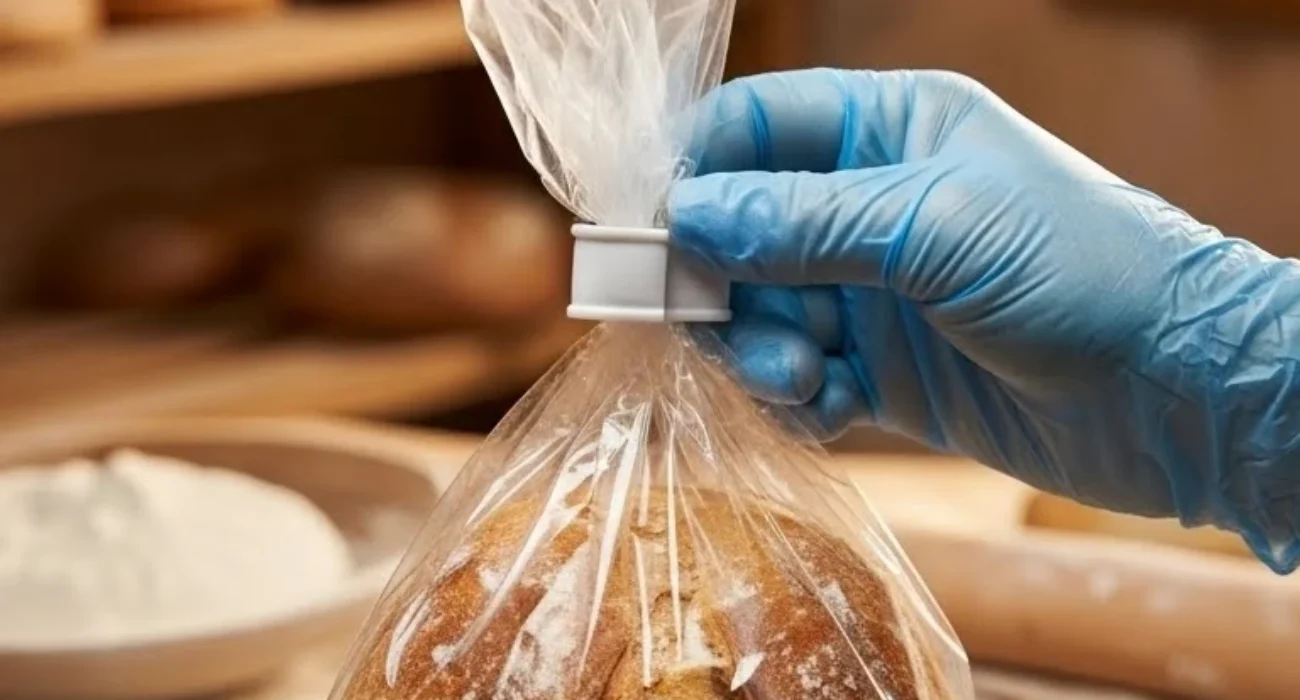
This is why many bakeries and consumers prefer clipbands. These rigid plastic clips with embedded steel wire create a secure, airtight seal that can be opened and closed repeatedly without losing effectiveness. They are designed to do one job well: keep air out and freshness in.
Best Practices for Storing Bread at Home
Now that we understand the science, let us talk about practical steps you can take to keep bread fresh longer at home.
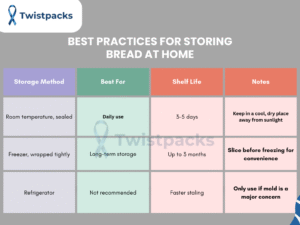
For bread you plan to eat within a few days, room temperature storage is ideal. Keep the bread in its original bag, sealed tightly with a quality closure. Store it in a cool, dry spot away from direct sunlight and heat sources like the stove or toaster.
If you have more bread than you can eat in a few days, the freezer is your friend. Slice the bread first so you can take out only what you need. Wrap the slices tightly in plastic wrap or aluminum foil, then place them in a freezer bag. When you are ready to eat, simply toast the slices directly from frozen.
Avoid the refrigerator for fresh bread. While it might seem logical to keep bread cold, the refrigerator temperature range actually accelerates staling. The only exception is if you live in a very hot, humid climate where mold is an immediate concern.
Common Mistakes That Shorten Bread Freshness
Even with good intentions, it is easy to make mistakes that shorten the life of your bread. Here are some of the most common ones to avoid.
Leaving the bag open or loosely closed is the number one culprit. Even a few hours of air exposure can noticeably affect freshness. Always reseal the bag immediately after taking out what you need.
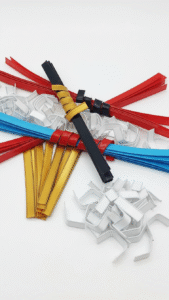
Using a weak or ineffective closure is another common mistake. The original twist tie that comes with the bread is often flimsy and does not create a proper seal. Consider replacing it with a sturdier option.
Storing bread in the wrong location can also cause problems. Avoid placing bread on top of the refrigerator, near the oven, or in direct sunlight. Heat encourages mold growth, and sunlight can degrade the packaging.
Buying more bread than you can eat is a recipe for waste. If you find yourself regularly throwing away stale bread, consider buying smaller loaves or freezing a portion right away.
The Bottom Line
Learning how to keep bread fresh longer is really about understanding a few key principles and putting them into practice. Limit air exposure by using a quality seal. Store bread at room temperature for short term use or in the freezer for long term storage. Avoid the refrigerator. And pay attention to where you keep your bread in the kitchen.
These simple habits can significantly extend the life of your bread, reduce waste, and ensure that every slice is as enjoyable as the first. It all starts with that small but important detail: a proper, airtight seal.