
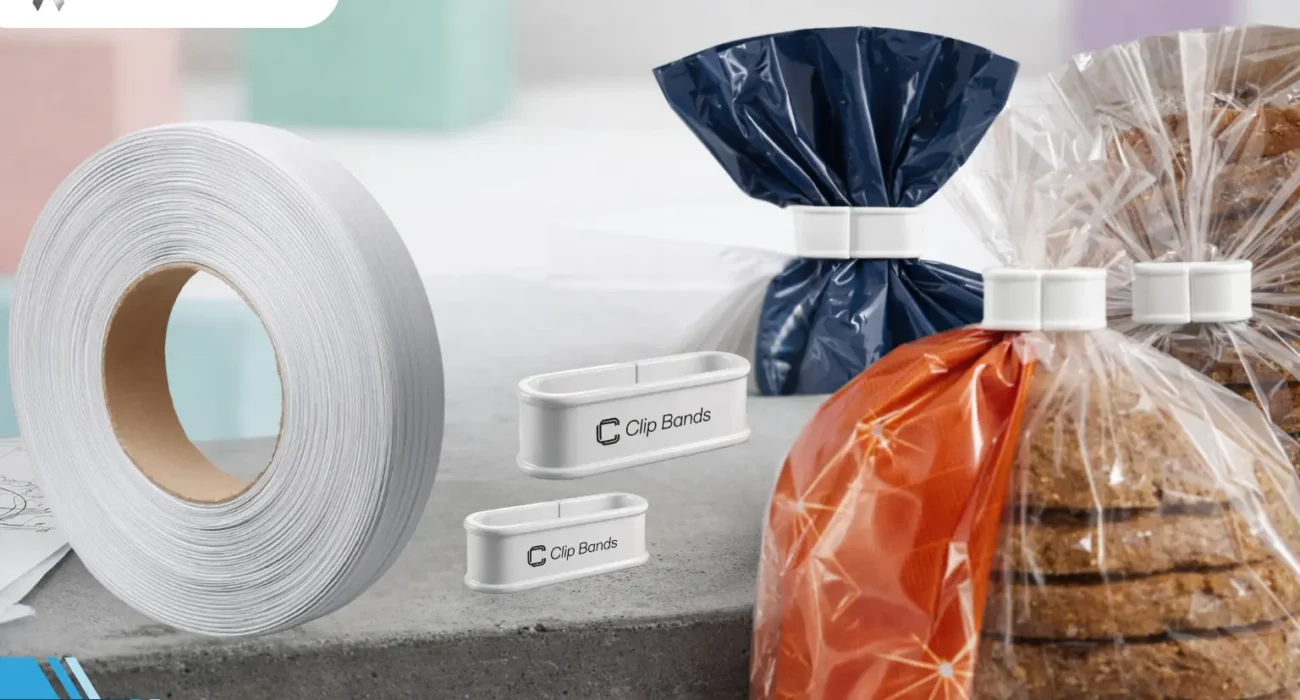
If you have ever worked in a bakery or even just bought a loaf of bread from a supermarket, you have encountered bread bag closures. These small but essential components are the unsung heroes of the baking industry. They keep your bread fresh, protect it from contamination, and make it easy for customers to reseal the bag after opening. But not all bread bag closures are created equal, and choosing the right one can make a real difference to your product quality and your bottom line.
In this guide, we will take a deep dive into the world of bread bag closures. We will explore the different types available, explain how they work, and help you understand which option is best suited for your specific needs. Whether you are running a large commercial bakery or a small artisan operation, this information will help you make smarter packaging decisions.
What Are Bread Bag Closures and Why Do They Matter?
At the most basic level, bread bag closures are devices used to seal plastic bread bags. Their primary function is to create a barrier between the bread inside and the outside environment. This barrier serves several important purposes.
First and foremost, bread bag closures help maintain freshness. Bread starts to go stale the moment it leaves the oven because the starches in the bread begin to crystallize, a process known as retrogradation. Exposure to air accelerates this process. A good closure minimizes air exchange, slowing down staling and keeping the bread soft for longer.
Second, bread bag closures protect the product from contamination. Dust, insects, and other unwanted particles can easily find their way into an unsealed bag. A secure closure keeps these contaminants out, ensuring that the bread reaches the consumer in the best possible condition.
Third, bread bag closures provide convenience. Consumers appreciate being able to easily open and reseal their bread bags. A closure that is difficult to use or that breaks after a single use creates a negative experience that can reflect poorly on your brand.
How Clipbands Work: The Engineering Behind the Seal
A clipband might look simple, but there is real engineering behind its design. The body of the clip is made from high grade polypropylene, a food safe plastic that is both durable and flexible. This material can withstand repeated opening and closing without cracking or breaking.
Embedded within the polypropylene are one or two thin wires made from galvanized steel. These wires are the secret to the clipband’s effectiveness. When the clip is applied to the neck of a bread bag, the wires provide the tension needed to create a tight, secure grip. The result is an airtight seal that prevents air from entering the bag and moisture from escaping.
The quality of both the plastic and the wire matters enormously. Cheap materials lead to clips that break, wires that snap, and seals that fail. High quality clipbands, on the other hand, perform consistently and reliably, even under the demanding conditions of a high speed production line.
Benefits of Using Quality Bread Bag Closures
Investing in quality bread bag closures pays off in several ways.
Extended shelf life is perhaps the most significant benefit. A proper airtight seal can add days to the freshness of a loaf of bread. This means fewer returns from retailers, less waste, and happier customers.
Automation compatibility is another major advantage. Modern bakeries rely on high speed packaging lines to meet production demands. Quality clipbands are designed to feed smoothly through automated clipping machines from manufacturers like Hartmann, Optima, and Rianat. This reduces downtime, minimizes jams, and keeps your production running efficiently.
Consumer satisfaction should not be overlooked either. A sturdy, easy to use closure enhances the customer experience. When consumers can easily reseal their bread and keep it fresh at home, they associate that positive experience with your brand.
Finally, there is the matter of professional appearance. A well applied clipband gives your product a clean, finished look that signals quality. In a competitive market, these small details can make a big difference.
Choosing the Right Bread Bag Closures for Your Bakery
Selecting the best bread bag closures for your operation depends on several factors.
Consider your production volume. If you are packaging thousands of loaves per day, you need a closure system that can keep up.
Clipbands designed for automated equipment are the logical choice for high volume operations.
Think about your equipment. If you already have clipping machines installed, make sure the closures you choose are compatible. Different machines may require different clip sizes or configurations.
Evaluate your quality standards. If freshness and shelf life are priorities for your brand, do not compromise on closure quality. The small additional cost of a premium clipband is easily offset by the benefits it provides.
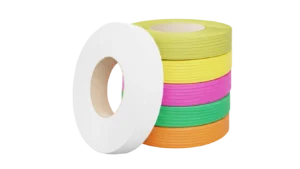
Consider customization options. Many clipband manufacturers offer custom colors and on band printing. This allows you to match your brand colors or print production dates, batch codes, or promotional messages directly on the closure.
Conclusion
Bread bag closures may seem like a minor detail in the grand scheme of bakery operations, but they play a crucial role in product quality, customer satisfaction, and operational efficiency. By understanding the different types of closures available and the benefits of investing in quality, you can make informed decisions that support your business goals.
Whether you are looking to extend shelf life, improve automation efficiency, or simply give your products a more professional appearance, the right bread bag closures can help you get there.
Take the time to evaluate your options, and do not hesitate to reach out to manufacturers for samples and technical support. Your bread, and your customers, deserve the best.